Guide · · 4 min read
Choosing Flour by Application: Bread, Flatbread, Lavash, Simit, Yufka and Pastry
Strength, extensibility and water absorption for each bakery product, and which flour in the Hakka Lonca range is made for it.
Bakeries across the Middle East, the Gulf and Africa often run several products on the same day: stone-oven bread in the morning, lavash and dürüm wraps through lunch, pastries and simit in between. Using one all-purpose flour for everything is simple, but it usually means compromising on every product.
This guide explains what each product family needs from a flour, which properties to look at, and which flour in the Hakka Lonca range exported by ARLAS Global Food is intended for it. Whether you are looking for flour for flatbread and lavash or for patisserie, the logic is the same: start from the product.
Three properties that decide most choices
- Strength (protein, gluten quality, W value): how well the dough holds gas and keeps its shape. Breads with long fermentation need more of it.
- Extensibility (low to moderate P/L): how easily the dough stretches without tearing or shrinking back. Thin products such as lavash, yufka and phyllo depend on it.
- Water absorption: how much water the flour takes. It affects dough yield, softness and how long the product stays fresh.
Most products need a particular balance of the three, which is why special-purpose flours exist.
Bread and stone-oven bread
Stone-oven and hearth breads are baked directly on a hot surface, so the dough has to hold its shape without a tin, develop a good crust and open up in the oven. That calls for a flour with good strength and stable fermentation tolerance.
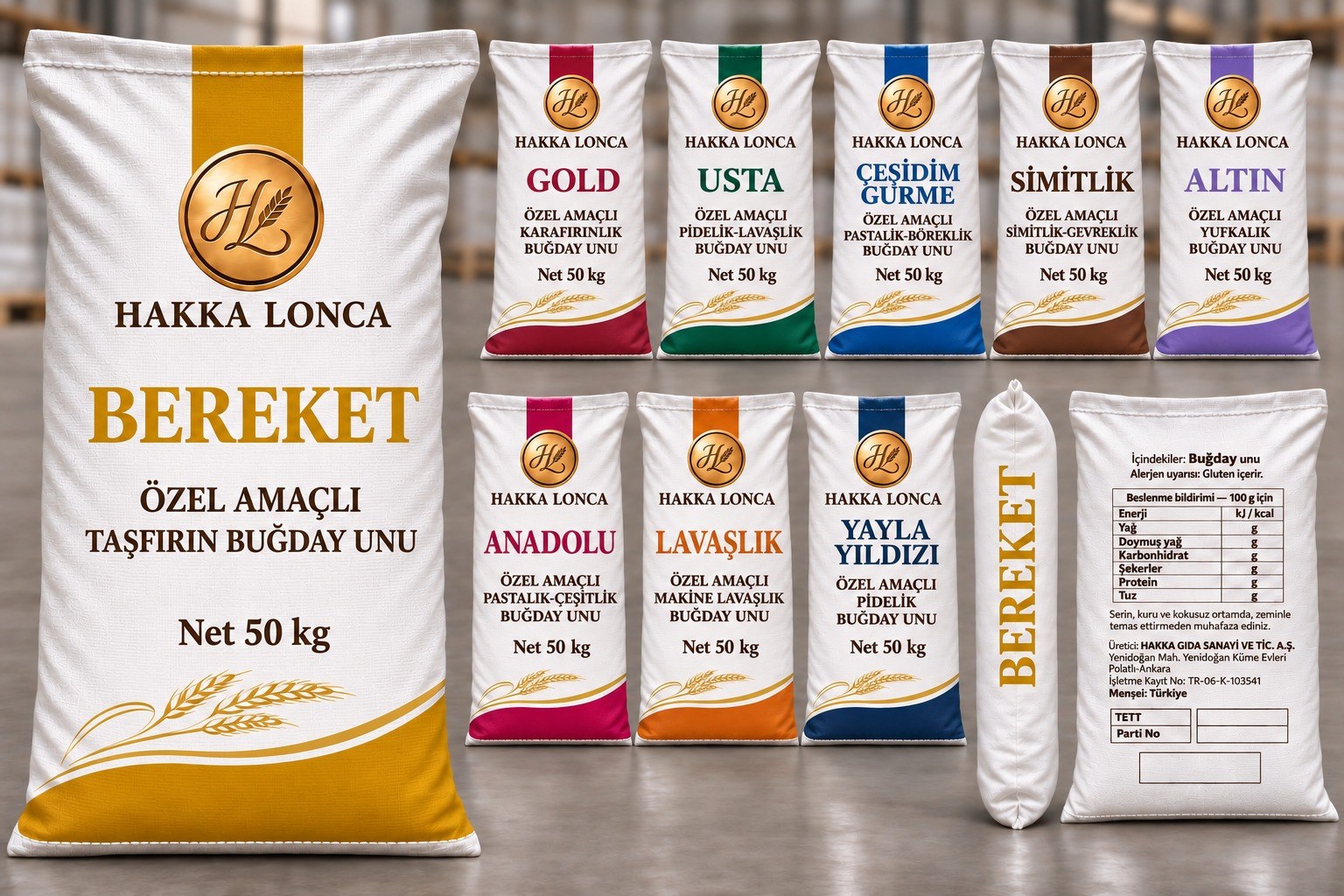
- Bereket is the range's stone-oven bread flour.
- Gold is made for dark-crust, "kara fırın" style oven bread and village bread, where a deep colour and robust crust are wanted.
When testing, look at oven spring, crust colour and how the crumb holds up the next day.
Flatbreads: pide, lavash, dürüm and lahmacun
Flatbreads are the core of many bakeries in the region, and the requirements differ more than people expect.
Pide and lahmacun
Pide dough has to be shaped by hand, keep its edges and bake quickly in a very hot oven. Lahmacun needs a thin base that stays flexible after baking. Usta is designed for pide, lavash and lahmacun work in traditional ovens. Yayla Yıldızı is a dedicated pide flour, suited to Ramadan pide and filled pides.
Machine lavash and dürüm wraps
On a lavash line, dough goes through sheeters and is baked in seconds. It must stretch thin without tearing, not shrink back, and stay soft enough to fold or roll after cooling. Lavaşlık is made for machine lavash and dürüm wraps.
Pita-style breads
For pocket-style pita and similar products, good water absorption and an even, extensible dough help with uniform puffing. Test the closest flour from the range in your own line and compare dough handling and softness after packing.
Simit, yufka, phyllo and börek
Simit and gevrek
Simit dough is firm, twisted, dipped and coated before baking. It needs a flour that gives a dense but not heavy crumb, a crisp crust and stable shape. Simitlik is the range's simit and gevrek flour.
Yufka, gözleme and baklava sheets
Yufka and phyllo are rolled to almost transparent sheets. Here extensibility is everything: the dough must stretch very thin, without holes, and not spring back. Altın is intended for yufka, gözleme and baklava sheets.
Börek and pastry
Su böreği, poğaça and layered pastries need a flour that handles fat and layering well and gives a tender bite. Çeşidim Gurme is made for börek and pastry, including su böreği, poğaça and cakes.
Cakes, cookies and patisserie
Cakes and cookies need a softer flour: lower strength keeps crumb tender and prevents cookies from shrinking or toughening. Savoury pastries and açma sit in between, needing some structure but a soft bite. Anadolu is the range's patisserie flour for cakes, cookies, açma and savoury pastries.
For shops and retail, the range also includes three 2 kg packs: a pastry and börek flour, a whole wheat flour and a yellow flour for erişte and homemade pasta.
Quick reference and next step
| Product | Main need | Flour |
|---|---|---|
| Stone-oven bread | Strength, oven spring | Bereket |
| Dark oven / village bread | Strength, deep crust | Gold |
| Pide, lavash, lahmacun | Shape and stretch | Usta |
| Ramadan and filled pide | Hand shaping, soft crumb | Yayla Yıldızı |
| Machine lavash, dürüm | Extensibility, softness | Lavaşlık |
| Simit, gevrek | Firm dough, crisp crust | Simitlik |
| Yufka, phyllo | Very high extensibility | Altın |
| Börek, pastry | Layering, tender bite | Çeşidim Gurme |
| Cakes, cookies | Soft, tender crumb | Anadolu |
Each 50 kg flour has its own sack colour, so bakery staff can tell them apart at a glance. Tell us which products you make and on what equipment; we will suggest flours, share spec sheets and quote a mixed load if you want to test several at once.
Frequently asked questions
Can I use one flour for bread and lavash?
You can, but one of the products usually suffers. Bread needs strength, while lavash needs extensibility and softness, so special-purpose flours give more consistent results.
Which flour is best for machine lavash?
In the Hakka Lonca range, Lavaşlık is made for machine lavash and dürüm wraps. Test it on your own line before a full order.
Why does my yufka dough tear?
Tearing usually points to a dough that is too strong or not extensible enough, or to resting and hydration issues. A flour designed for yufka, such as Altın, helps.
Can I order several flours in one container?
Yes, mixed loads of several flour types are possible. The load plan with the quote shows how many sacks of each flour are included.
By ARLAS Global Food · Updated: