Guide · · 5 min read
How to Import Wheat Flour from Turkey: A Step-by-Step Guide for Importers
A practical walk-through for importers: from writing the flour specification to clearing the first container at destination customs.
Buying wheat flour abroad is not the same as buying it from the mill down the road. The product has to perform in your customers' ovens, survive weeks in a container, and pass inspection at your border. When importers run into trouble, it is rarely because the flour was bad; it is usually because the specification was vague, the documents were incomplete or the delivery terms were misunderstood.
This guide sets out the sequence experienced importers follow when they import wheat flour from Turkey, from the first internal discussion about what the flour is for, to the moment the first lot is cleared and sitting in your warehouse.
Step 1: Define what the flour is for
Start with the end product, not with a flour name. A bakery making stone-oven bread, a plant producing machine lavash and a pastry shop rolling yufka need very different flours, even though all of them are "wheat flour" on an invoice. Write down:
- The application: pan bread, stone-oven bread, flatbread, simit, phyllo and yufka, börek, cakes or cookies.
- The process: hand work or machine lines, fermentation time, oven type.
- The parameters that matter to you: protein and gluten, moisture, ash, water absorption and dough resistance.
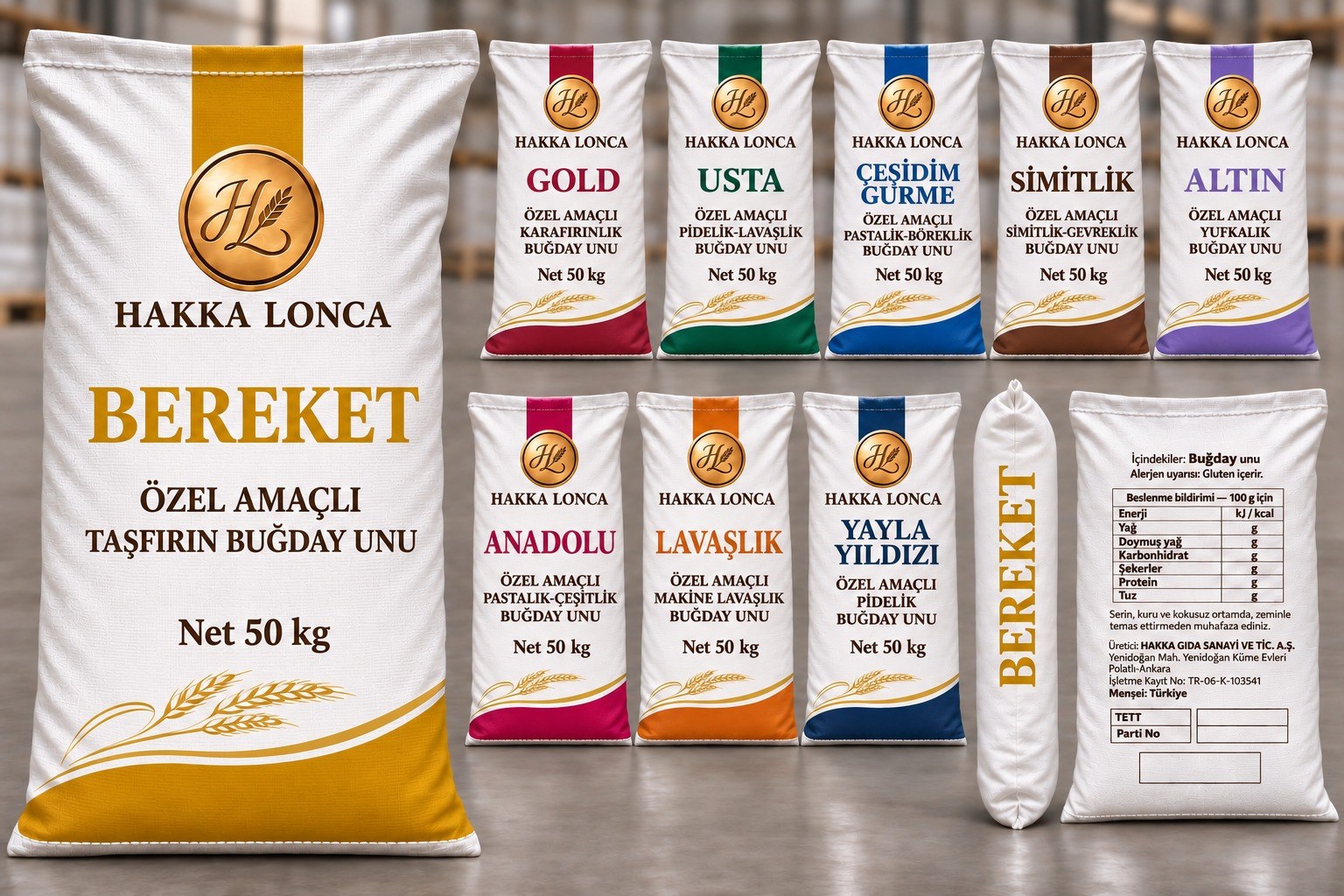
- The pack size and labelling: 50 kg sacks for bakeries and producers, or small retail packs for shops.
This short brief becomes the basis of your inquiry. Suppliers can quote far more accurately when they know the use, rather than guessing from a generic request for "bread flour".
Step 2: Find and vet a Turkish wheat flour supplier
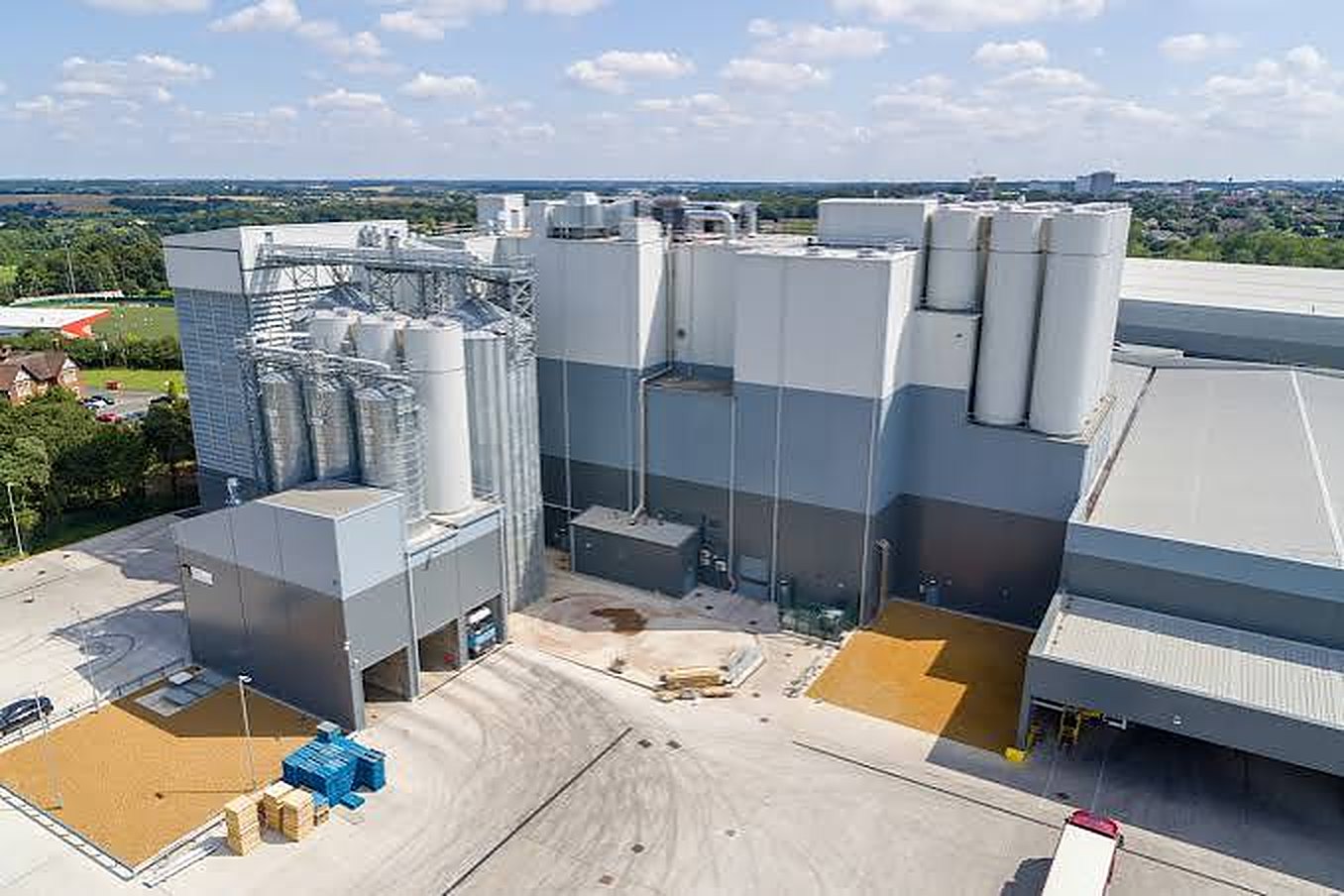
Turkey has a large milling sector and many exporters, so the challenge is less about finding a supplier and more about choosing the right one. When you vet a Turkish wheat flour supplier, look for clear answers to a few basic questions:
- Who mills the flour, and who handles the export: the same company, or a producer working with an authorised export partner?
- Is there a defined product range with a stated purpose for each flour, or one flour offered for everything?
- Are products traceable by lot number on the sack label?
- Can the supplier share spec sheets and analysis values before you commit?
- How are quotations, documents and shipment handled, and who is your single point of contact?
A supplier that answers these questions in writing, without pressure, is usually easier to work with once orders are flowing.
Step 3: Request samples and spec sheets
Never place a first order on a price list alone. Ask for the spec sheet of each flour you are considering, and test samples in your own process or with your key customers. Bake the products you actually sell, at the water absorption and mixing times you actually use.
Compare the results with the spec sheet. If a flour behaves differently from what the values suggest, discuss it before ordering. Keep a sample of the approved flour; it becomes your reference when you check future lots.
What to check in a sample test
- Water absorption and dough handling on your mixer.
- Dough stability through your fermentation time.
- Volume, crumb, colour and shelf life of the final product.
Step 4: Get a quotation with the right Incoterm and payment terms
A flour quote only means something when the delivery term is clear. The most common Incoterms 2020 rules for flour from Turkey are:
| Term | Seller's job ends | Typical use |
|---|---|---|
| EXW | Goods made available at the seller's premises | Buyer has its own forwarder |
| FOB | Goods loaded on the vessel at the agreed port | Buyer books sea freight |
| CIF | Goods on board, with freight and insurance to destination port paid | Buyer wants a landed-port price |
Payment is agreed at the same time. Common options are advance payment by bank transfer, a deposit with the balance paid before loading, or a letter of credit (L/C). An L/C adds bank fees and paperwork but gives both sides documentary security, which many importers prefer for a first shipment.
The quote should also include the load plan: how many sacks of each flour go into each container or truck. Mixed loads of several flour types in one container are often possible and useful for testing several products at once.
Step 5: Prepare the export and import documents
Documents are where shipments get stuck. The standard set for a flour export usually includes:
- Commercial invoice
- Packing list showing which flour and how many sacks
- Bill of lading for sea freight, or CMR for road transport
- Certificate of origin
Depending on your country, you may also need an analysis report, a health certificate or other documents. Ask your customs broker which documents your authorities require for wheat flour, and share that list with the supplier at quotation stage so they can be prepared before loading, not after the ship has sailed.
Step 6: Shipping, arrival and destination customs
Flour travels in containers by sea or by truck to countries reachable by road. Because flour is heavy, a container usually reaches its weight limit long before it is full by volume, so the load plan is built around weight. Clean, dry, odour-free containers are essential.
At destination, rules vary widely. Some countries require product registration, import permits, label approval in the local language or laboratory testing on arrival. Check these with your customs broker and food authority before the first order; it is much cheaper to adapt a label in advance than to relabel a container in a bonded warehouse.
On arrival, store sacks in a cool, dry, odourless place, off the floor, and rotate stock so older lots are used first.
Working with ARLAS Global Food
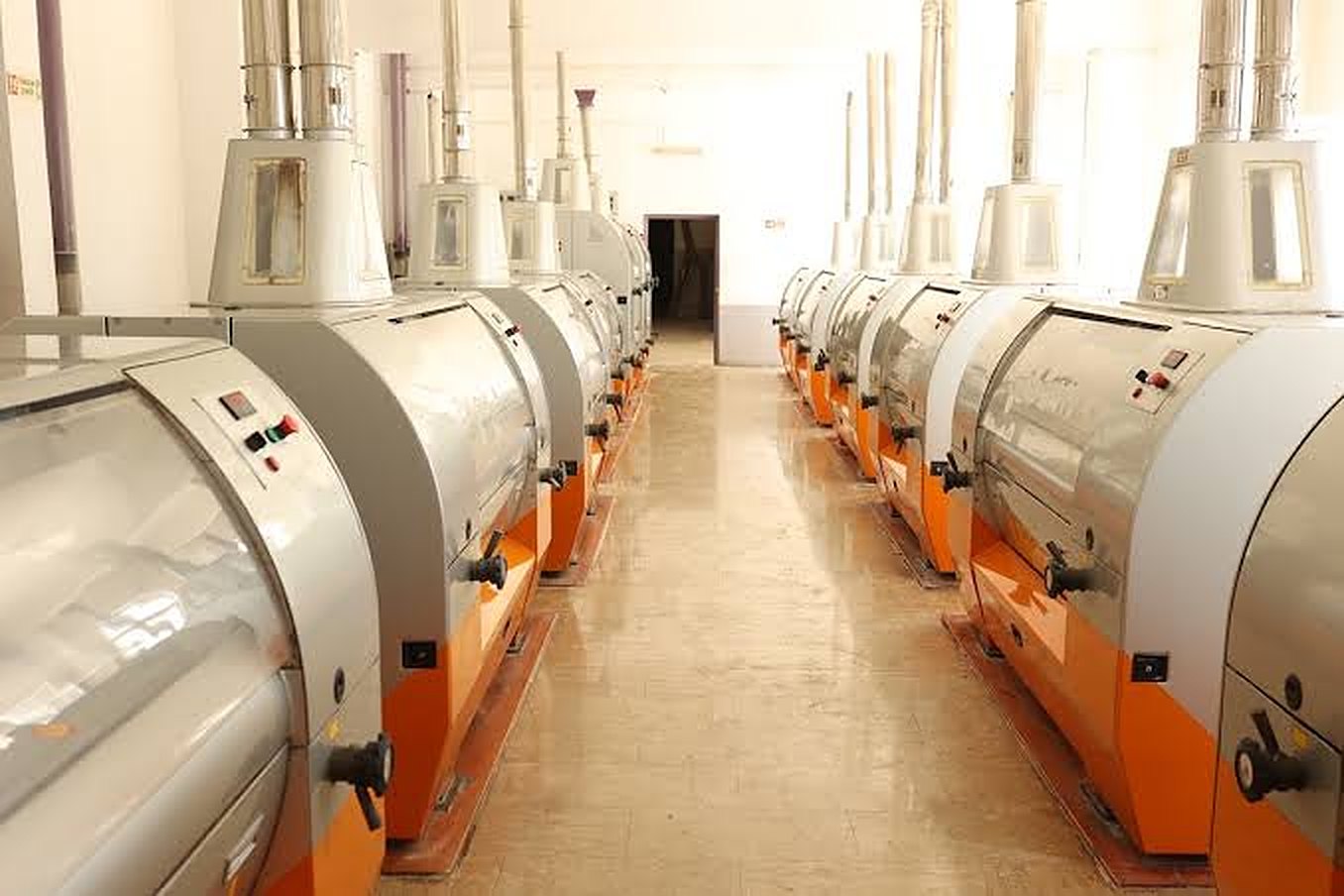
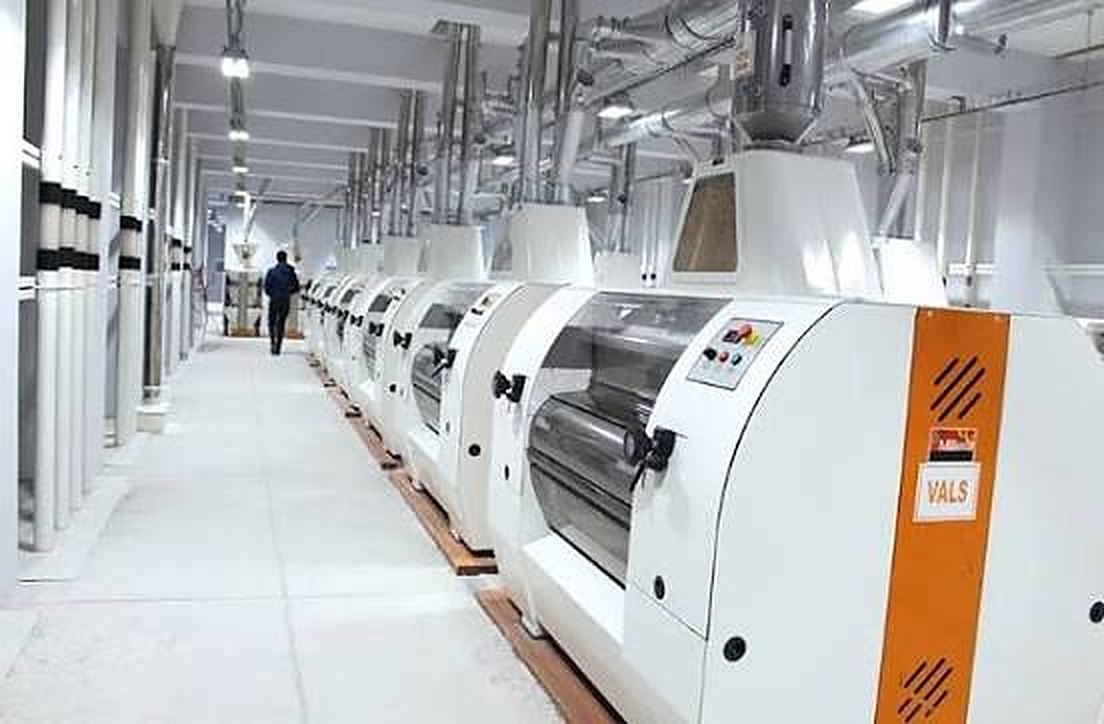
ARLAS Global Food is the authorised export partner of Hakka Lonca, a Turkish wheat flour brand that mills its flour in its own facilities. We handle quotation, order, documents and shipment for nine special-purpose flours in 50 kg sacks and three retail flours in 2 kg packs. If you are planning your first shipment, send us your application and destination, and we will come back with spec sheets, a load plan and a quote.
Frequently asked questions
Do I need an import licence to buy flour from Turkey?
That depends on your country. Many markets require an importer registration or food business licence; your customs broker or food authority can confirm the requirements before you order.
Can I mix different flour types in one container?
Yes, mixed loads are often possible. The load plan in the quotation shows how many sacks of each flour go into the container or truck.
Which Incoterm is best for a first order?
If you have no forwarder, CIF gives you a price to your destination port. If you already work with a forwarder, FOB or EXW usually gives you more control over freight.
How do I know the flour will suit my bakery?
Ask for spec sheets and samples, and test them in your own process before ordering. Keep the approved sample as a reference for later lots.
By ARLAS Global Food · Updated: