Guide · · 4 min read
Flour Packaging and Container Loading: Sacks, Pallets and Moisture Protection
How flour is packed and loaded for export, why weight limits come before volume, and how to keep sacks dry from loading to your warehouse.
Good flour can arrive in poor condition if the packaging or the loading is wrong. Torn sacks, damp corners, odours picked up in transit or insects found on arrival are all avoidable, and almost all of them come down to packaging choices and container handling.
This guide covers the essentials of flour packaging and container loading for importers: sack types, pack sizes, floor-loaded and palletised shipments, moisture protection, pest control in transit and storage once the flour arrives.
Sack types for export flour
- Woven polypropylene (PP) sacks are strong and tear-resistant, and they stand up well to repeated handling. They are widely used for export flour.
- Multi-wall paper sacks breathe well and print cleanly, which some bakeries and markets prefer. They are less tolerant of rough handling and moisture.
- Sacks with an inner liner (usually polyethylene) add a moisture barrier. They can help in humid climates, but they also need care: a liner can trap moisture if warm flour is packed or temperature changes sharply.
Whatever the sack, look for clear labelling: product name, net weight, lot number, storage instructions, allergen information (wheat flour contains gluten) and origin.
50 kg, 25 kg or retail packs?
| Pack | Typical buyer | Points to consider |
|---|---|---|
| 50 kg | Bakeries, producers | Lower packaging cost per tonne; heavier to handle manually |
| 25 kg | Markets with manual handling limits | Easier lifting; more sacks per tonne |
| Retail packs | Shops, supermarkets | Shelf-ready; label rules at destination apply |
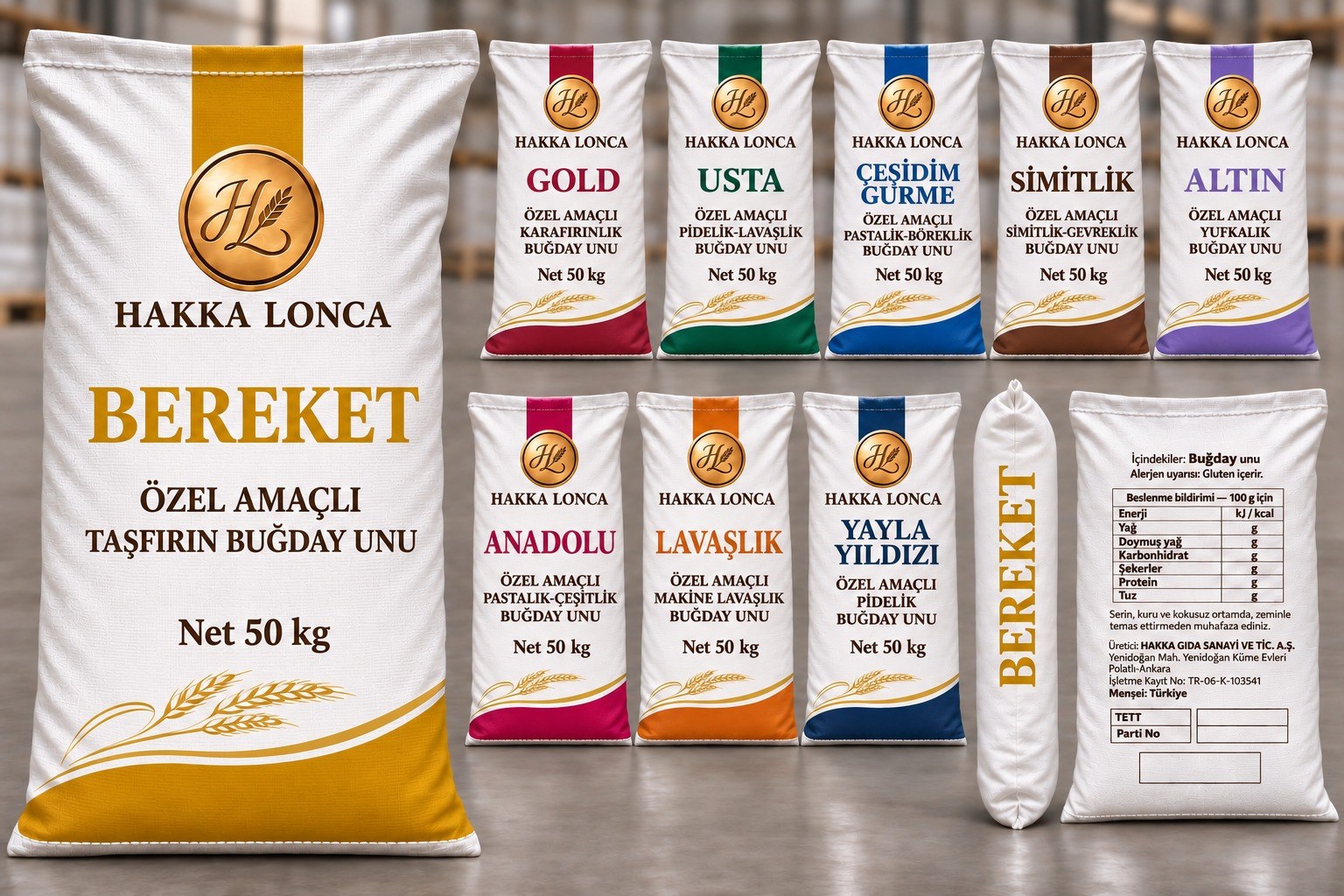
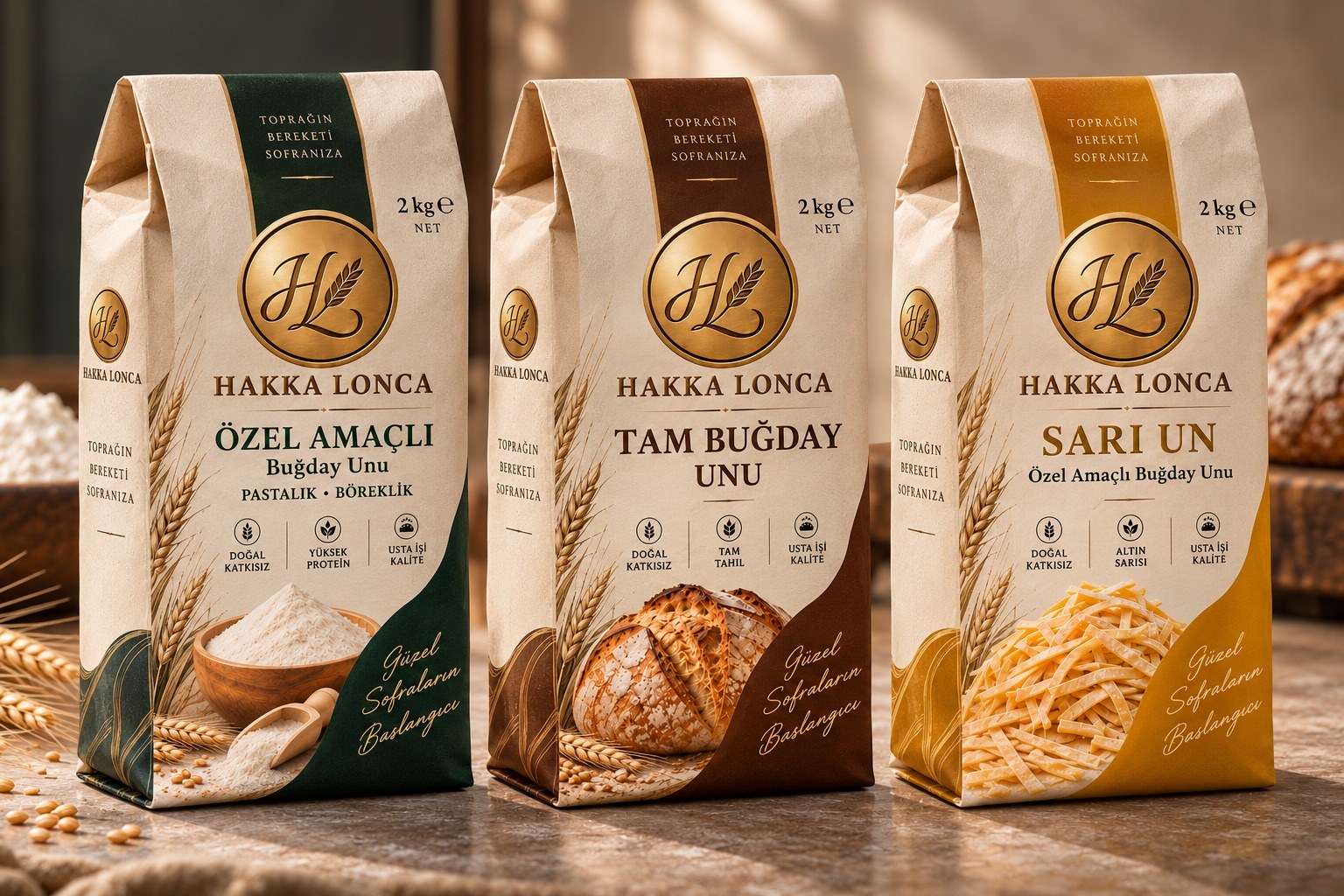
Some countries limit the weight one worker may lift, which can make 25 kg sacks the practical choice. Check local rules and your customers' habits before choosing. Retail packs bring their own questions: the label usually has to follow destination rules on language, ingredient and allergen declaration, net quantity and importer details, and outer cartons or shrink-wrapped bundles must protect the small packs from crushing during loading and unloading. Plan these details before the first order, because changing a retail label later means new print runs and possibly new approvals. The Hakka Lonca range is offered in 50 kg sacks for bakeries and producers, each flour in its own sack colour, and in 2 kg packs for retail.
Floor-loaded or palletised
Floor-loaded sacks are stacked directly in the container. This uses the space and weight allowance efficiently and avoids pallet costs, but unloading is manual and slower.
Palletised loads are faster to unload with forklifts and reduce handling damage, but pallets take space and weight. If you choose pallets, check that they meet the wood treatment rules (ISPM 15) of your country, and that sacks are stretch-wrapped and secured.
Why weight comes before volume
Flour is dense. A container reaches its maximum payload well before it is full by volume, so a flour load plan is built around weight. The practical limit depends on the container's own rating, the shipping line and the road weight limits at origin and destination, which is why the number of sacks per container or truck is confirmed in the load plan with each quote rather than given as a fixed figure.
Protecting flour from moisture and condensation
"Container rain" happens when warm, humid air inside a container cools, for example at night or when a ship moves into a colder region, and moisture condenses on the roof and walls before dripping onto the cargo. Flour that absorbs moisture can cake, develop mould or lose quality.
- Use clean, dry, odour-free containers with no holes or rust damage.
- Do not load flour that is still warm from packing.
- Consider desiccant bags or absorbent lining paper on long or climate-changing routes.
- Keep sacks away from the container walls and doors where condensation runs down.
- Avoid long waits in hot sun at ports when possible.
Pest control in transit
Stored product insects can appear in any cereal product if hygiene breaks down along the chain. Good practice starts with clean milling and packing, continues with inspected containers, and may include fumigation where the importing country or buyer requires it. Fumigation is regulated: it must be done by licensed operators, the container labelled accordingly and ventilated before unloading. Ask your customs broker whether your country requires a fumigation certificate for flour.
Storage on arrival
- Store sacks in a cool, dry, odourless place, never in contact with the floor; use pallets.
- Leave space between stacks and walls for air flow, cleaning and inspection.
- Keep flour away from strong-smelling goods such as chemicals, spices or fuel; flour absorbs odours.
- Rotate stock on a first in, first out (FIFO) basis using the lot numbers on each sack.
- Inspect regularly for damage, moisture or insects.
When you request a quote from ARLAS Global Food, we include the load plan for your container or truck, and mixed loads of several flours can be arranged. Tell us your preferred pack, route and destination.
Frequently asked questions
Are 50 kg or 25 kg sacks better for export?
50 kg sacks lower packaging cost per tonne, while 25 kg sacks are easier to handle and sometimes required by local lifting rules. Choose based on your market and customers.
How many sacks fit in a container?
It depends on the container's payload rating, the shipping line and road weight limits. The exact number of sacks is set in the load plan sent with the quote.
How can I prevent container rain?
Use dry, clean containers, avoid loading warm flour, keep sacks away from walls and consider desiccants on long or climate-changing routes.
How should flour be stored after arrival?
In a cool, dry, odourless warehouse, on pallets away from walls, with stock rotated first in, first out by lot number.
By ARLAS Global Food · Updated: