Guide · · 5 min read
How to Choose a Turkish Flour Supplier: Importer Checklist and FAQ
A practical checklist for comparing flour exporters in Turkey, followed by answers to the questions importers ask most often.
Price is the easiest thing to compare between flour offers, and the least useful on its own. A low price per tonne loses its appeal quickly if lots vary from one container to the next, documents arrive late or nobody answers when a bakery complains.
This checklist helps importers, distributors and bakery chains compare offers from a Turkish flour supplier on the points that actually decide whether a supply relationship works. After the checklist you will find answers to the questions buyers ask us most often.
1. Product range and spec sheets
Does the supplier offer flours designed for specific uses, or one general flour? A defined range means you can match flour to product: stone-oven bread, lavash, simit, yufka, pastry or cakes. Ask for a spec sheet for each flour, with the parameters relevant to your product, and check that the values are given as ranges with stated test methods.
2. Samples and lot consistency
A good sample proves the flour can work; consistency proves it will keep working. Ask how incoming wheat is sampled, which parameters are checked before dispatch and how the supplier handles a lot that falls outside the specification. Keep your approved sample and compare later lots against it.
Wheat is a natural raw material, and its quality changes from harvest to harvest and region to region. A serious supplier manages this through wheat intake sampling, cleaning and tempering, and by testing the finished flour before it leaves. The aim is a flour that behaves the same in your bakery in winter as it did in summer.
What to ask
- Which parameters are tested before each dispatch?
- Is an analysis report available per lot?
- What is the procedure if a lot does not perform?
3. Traceability through lot numbers
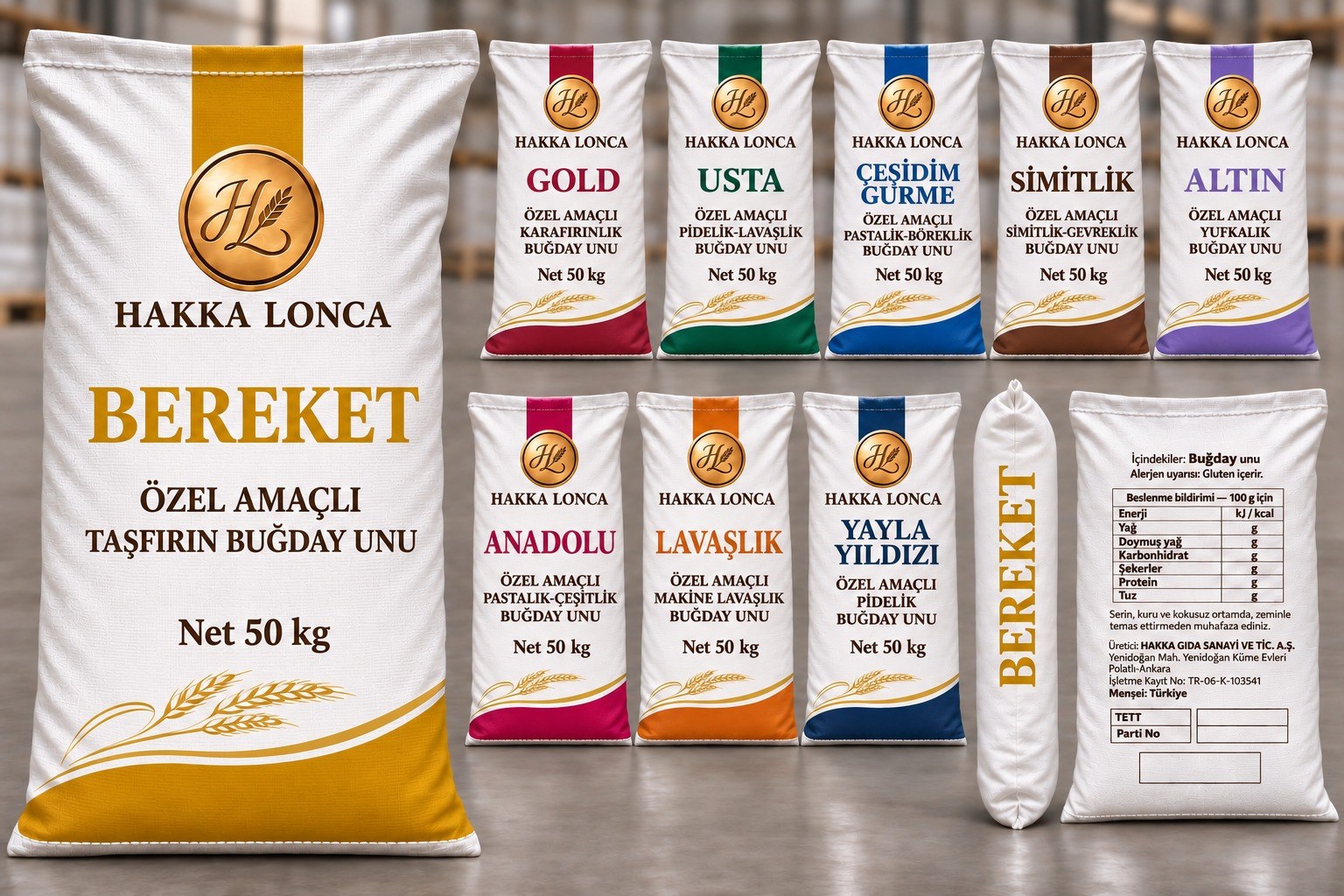
Every sack should carry a lot number. If a customer reports a problem, the lot number lets you and the supplier trace the flour back to its production run and analysis results. It also supports stock rotation in your warehouse. Ask to see a sack label before ordering.
Traceability also matters for your own customers. Large bakery chains and food producers increasingly ask their flour distributors to show where a lot came from and when it was packed. If your supplier labels every sack with a lot number and can link it to the analysis carried out before dispatch, you can answer those questions quickly and keep your customer's confidence when something goes wrong.
4. Packaging, documents and payment
- Packaging: sack size and type, sack colours or markings to tell flours apart, label language and allergen information.
- Documents: commercial invoice, packing list, bill of lading or CMR, certificate of origin, and whatever your country requires on top, such as an analysis report or health certificate.
- Incoterms: whether the supplier quotes EXW, FOB, CIF or other terms, and whether the named place is clear.
- Payment terms: advance transfer, deposit and balance before loading, or letter of credit. Clear terms protect both sides.
5. Mixed loads and communication
Mixed loads let you bring several flour types in one container or truck, which is useful when you supply bakeries with different needs or want to test new products without committing to a full load of each. Ask whether they are possible and how the load plan is set out.
Finally, judge communication. Do you get a clear quotation with a load plan, written answers to technical questions and one contact person who follows your order through to shipment? In export trade, slow or unclear communication is often the first sign of later problems.
Red flags when comparing offers
- One flour for everything: a single product offered for bread, lavash and cakes usually means compromise on each.
- No spec sheet or only one number: a protein figure alone says little about how the dough will behave.
- Vague delivery terms: a price without an Incoterm and named place cannot be compared with other offers.
- Documents left for later: if the supplier cannot say which documents will accompany the shipment, expect delays at your border.
- No lot numbers on sacks: without them, complaints and stock rotation become guesswork.
None of these points proves a supplier is unreliable, but each one deserves a clear written answer before you commit to a first container.
Working with ARLAS Global Food and Hakka Lonca
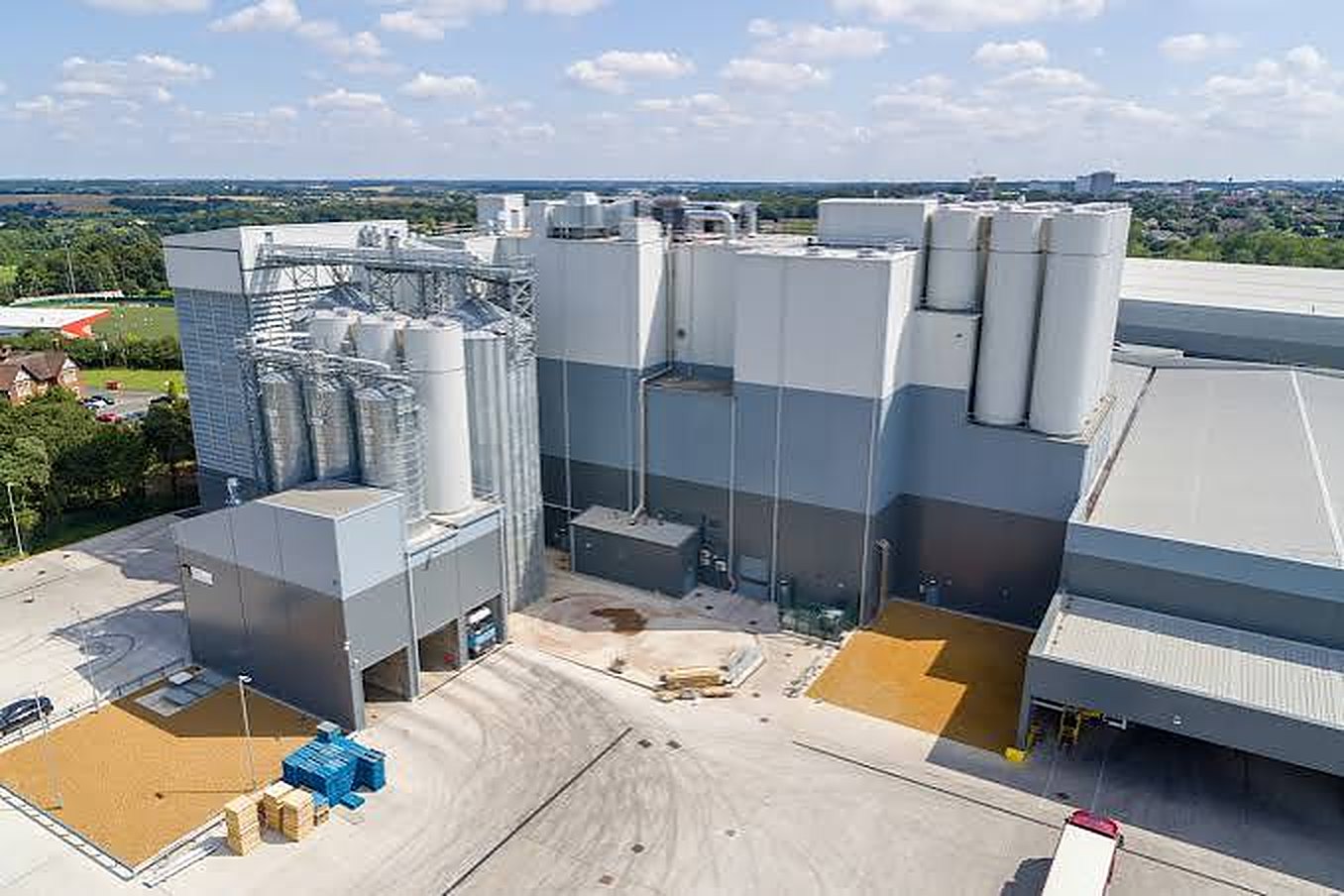
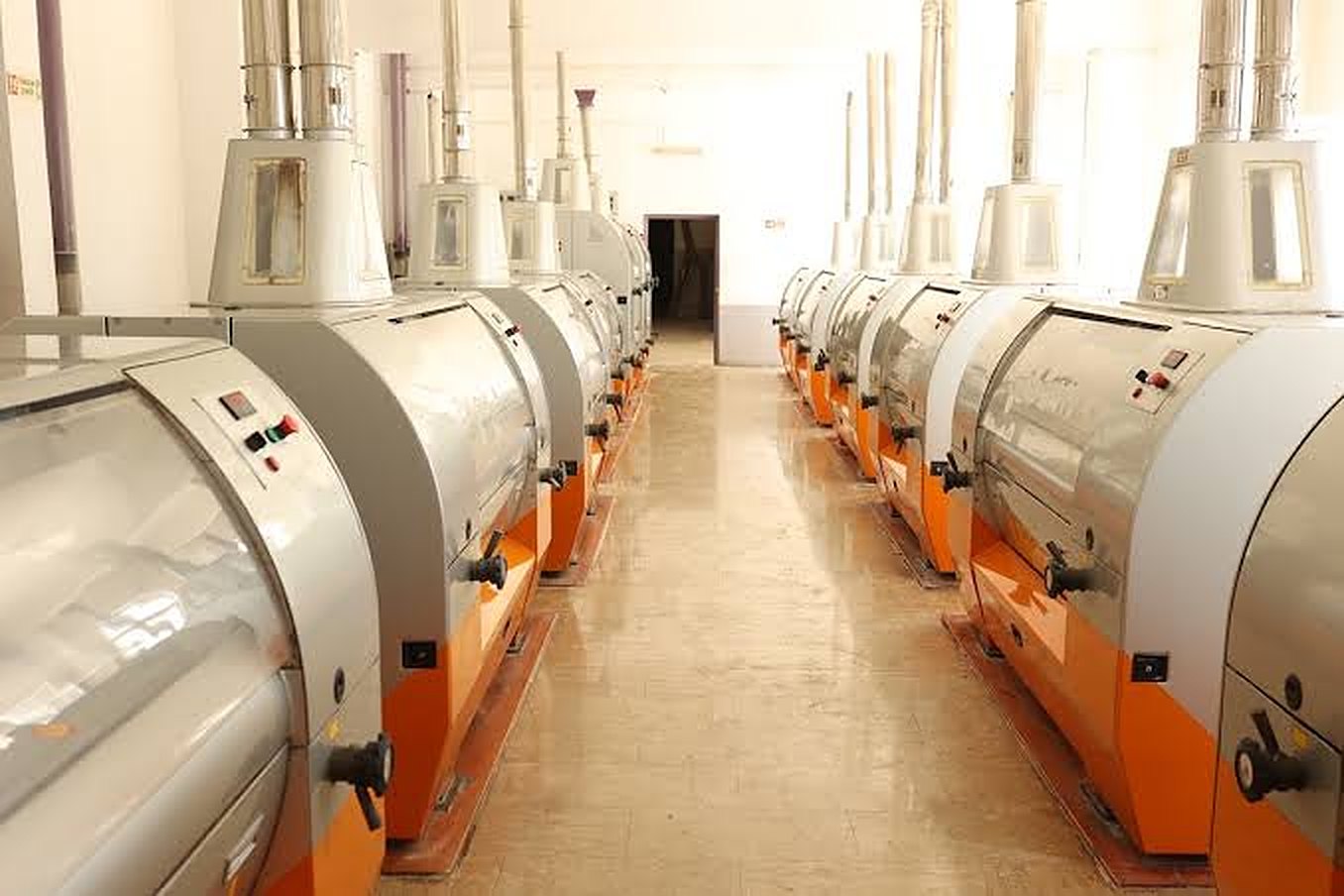
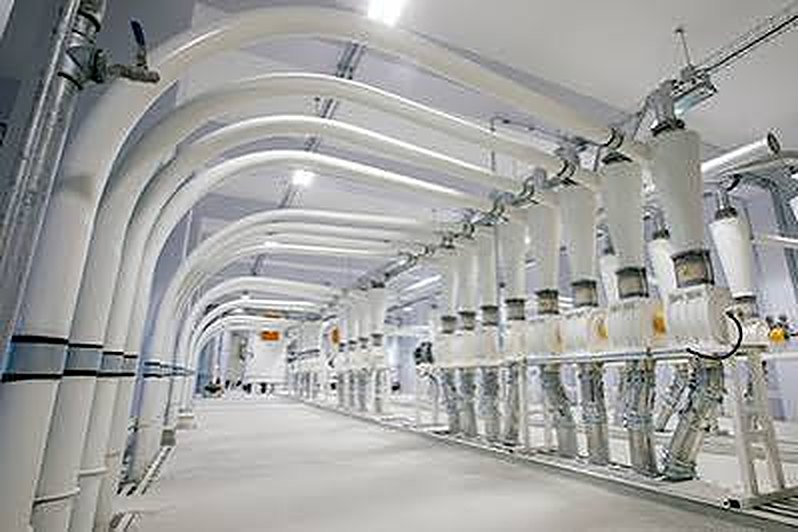
ARLAS Global Food is the food export and corporate sales company of the ARLAS Global group and the authorised export partner of Hakka Lonca. Hakka Lonca mills the flour in its own facilities, from wheat intake and sampling through cleaning, tempering, milling and sifting on roller mills to packing with lot number labels. We handle quotation, order, documents and shipment. Request a quote, or use the dealer login if you already order with us.
Frequently asked questions
Does ARLAS Global Food mill the flour itself?
No. The flour is milled by Hakka Lonca in its own facilities. ARLAS Global Food is the authorised export partner and handles quotation, order, documents and shipment.
Which flours can I order?
Nine special-purpose flours in 50 kg sacks, for bread, flatbreads, simit, yufka, pastry and patisserie, and three flours in 2 kg retail packs.
Can I see analysis values before ordering?
Yes. Spec sheets and analysis values are shared at quotation stage for the flours you are interested in.
Which delivery terms and payment options are available?
EXW, FOB at an agreed Turkish port and CIF. Payment can be made in advance by transfer, as a deposit with balance before loading, or by letter of credit.
Can you ship by truck?
Yes, to countries reachable by road, with a CMR as the transport document. Sea shipments travel by container.
Does the flour contain allergens?
Yes, wheat flour contains gluten. Store it in a cool, dry and odourless place, off the floor.
By ARLAS Global Food · Updated: